How Much Sleep Do I Need? Find Your Ideal Sleep Duration
Wondering how much sleep you should get? Discover your ideal sleep duration based on your age, lifestyle, and health needs. Use our calculator below for a personalized recommendation.
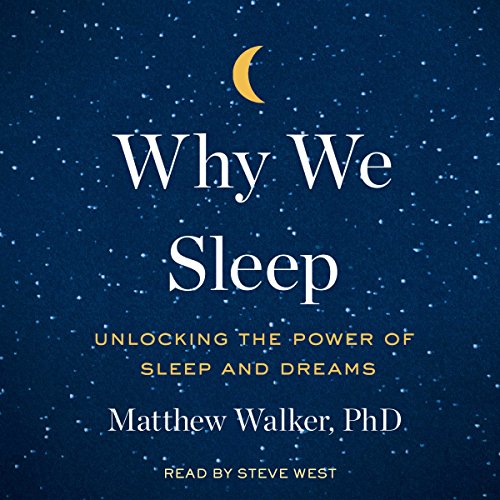
List of the Top 10 Best Audiobook for Sleep:







Understanding How Much Sleep You Need
The amount of sleep a person requires can vary based on several factors, including age, activity level, and overall health. While the general guideline for adults is 7 to 9 hours, individual needs can vary.
Age and Sleep Requirements
As you age, your sleep needs change. Here's a breakdown of the recommended sleep duration based on age:
| Age Group | Recommended Sleep Duration |
|---|---|
| Newborns (0-3 months) | 14-17 hours |
| Infants (4-11 months) | 12-15 hours |
| Toddlers (1-2 years) | 11-14 hours |
| Preschoolers (3-5 years) | 10-13 hours |
| School-age children (6-13 years) | 9-11 hours |
| Teenagers (14-17 years) | 8-10 hours |
| Adults (18-64 years) | 7-9 hours |
| Seniors (65+ years) | 7-8 hours |
How Activity Level Affects Your Sleep
People with higher activity levels typically need more sleep to allow their body to recover. If you are sedentary, you may function well on the lower end of the sleep spectrum, while if you are highly active, your body may require more rest.
Why Sleep Is Important
Getting the right amount of sleep is crucial for mental, emotional, and physical well-being. Poor sleep can lead to cognitive decline, mood disturbances, weakened immunity, and long-term health problems such as heart disease or diabetes.
Signs You Might Not Be Getting Enough Sleep
- Feeling drowsy during the day
- Difficulty concentrating or remembering things
- Frequent mood swings
- Increased irritability
- Physical exhaustion despite sleeping long hours
How to Improve Your Sleep Quality
- Maintain a regular sleep schedule - Go to bed and wake up at the same time every day.
- Create a relaxing bedtime routine - Engage in calming activities before sleep, like reading or meditating.
- Optimize your sleep environment - Make sure your bedroom is cool, dark, and quiet.
- Avoid stimulants - Stay away from caffeine, alcohol, and heavy meals before bedtime.